What ABSI measures
A Body Shape Index, usually shortened to ABSI, starts with waist circumference. It adjusts that measurement for height and weight so the result describes waist size relative to a person’s overall body size. The 2012 study that introduced ABSI asked whether this adjusted waist measure added information to body mass index (BMI) in a population analysis. BMI uses weight and height. ABSI needs those two measurements plus a waist reading. Neither index sees body tissue directly, and neither tells a person how much fat is inside the abdomen.
The adjustment matters because a waist value by itself tends to be larger in a larger body. Two people can have the same 85 cm waist but different heights and weights. They will then have different ABSI values. In the other direction, two people with the same BMI can have different waist measurements and different ABSI values. This is the reason to keep the raw inputs beside the index. A bare ABSI number hides which measurements produced it and whether the waist was taken at the same place each time.
The measurements and formula
For the original ABSI formula, use waist circumference and standing height in metres and weight in kilograms. The calculation is waist in metres × weight in kilograms to the power of −2/3 × height in metres to the power of 5/6. An equivalent expression divides waist in metres by BMI to the power of 2/3 and by the square root of height in metres. The powers make this a size-adjusted index, not a simple waist-to-height ratio. The BodyNumeral calculator performs the powers for you and shows the equation with its inputs.
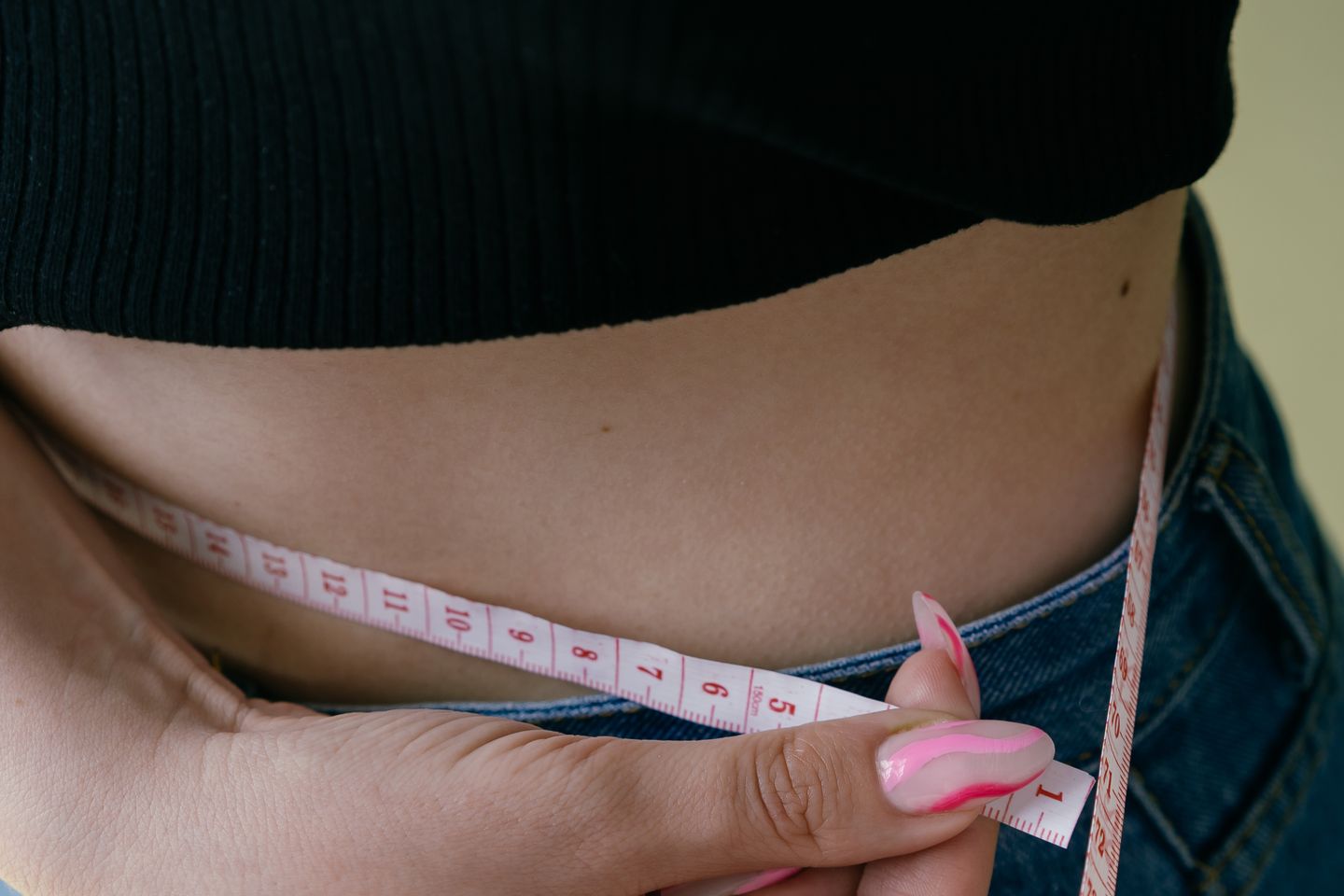
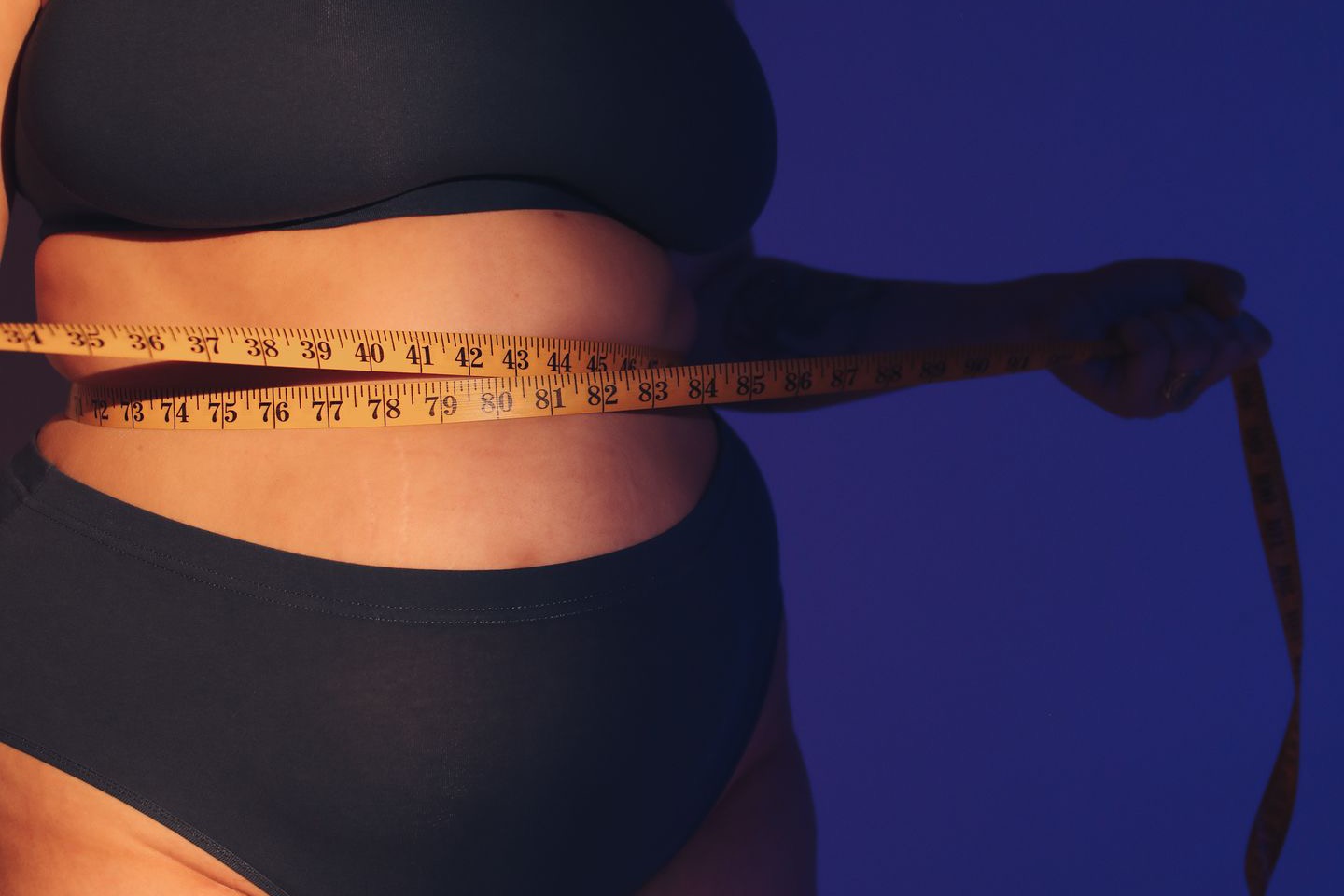
The waist site is part of the method. In the original study, trained technicians placed a steel tape just above the uppermost lateral border of the ilium, the top edge of the hip bone, and read it after a normal breath out. A waist taken at the navel or midway between the ribs and hips can differ. Do not silently substitute a reading from another calculator. A person using a home tape cannot reproduce every detail of the study’s examination, but recording the landmark, unit, date, and breath instruction makes the input easier to check.
Convert units before a hand calculation. For example, 170 cm is 1.70 m, 85 cm is 0.85 m, and 75 kg is already in kilograms. Entering 170 in a formula that expects metres changes the result by a large factor. BodyNumeral’s U.S. fields convert supported feet, inches, and pounds to metric units internally. On a paper worksheet, show the conversions and keep more digits during the calculation. Round only the final display, because early rounding can move a result close to a reference boundary.
A worked ABSI example
Consider a hypothetical 35-year-old adult assigned to the female reference category. The recorded height is 170 cm, weight is 75 kg, and iliac-crest waist is 85 cm. First convert the two lengths: height is 1.70 m and waist is 0.85 m. BMI is 75 kg ÷ (1.70 m × 1.70 m), or about 25.95 kg/m². For ABSI, calculate 0.85 × 75^(−2/3) × 1.70^(5/6). That gives about 0.07437. The result is an index. It is neither 7.437% body fat nor 7.437 cm of waist.
The calculator shows five decimal places for ABSI. This display precision helps reproduce the calculation; it does not mean a home tape is accurate to five decimal places in an index. In an unchecked hand calculation, using 8.5 cm rather than 85 cm for the waist changes the index tenfold. Using 170 as metres instead of converting 170 cm to 1.70 m also breaks the formula. The calculator rejects those out-of-range entries. A value that looks surprising should send the reader back to the raw measurements, units, and site before any interpretation.
| Waist input | BMI | ABSI | Female age-35 z-score |
|---|---|---|---|
| 80 cm | 25.95 kg/m² | 0.07000 | −1.710 |
| 85 cm | 25.95 kg/m² | 0.07437 | −0.743 |
| 90 cm | 25.95 kg/m² | 0.07875 | +0.225 |
Read the table across a row, not down it as a story of one person changing. Each row is a separate hypothetical input. BMI stays about 25.95 kg/m² because its formula has no waist field. ABSI rises as the waist input rises while height and weight stay fixed. The z-score rises too because the same age-35 female reference mean and standard deviation are used for all three rows. This comparison shows what the equations do. It does not show a measured body change or a change in anyone’s health.
How to read the reference score
An ABSI z-score compares the index with an age- and sex-specific reference. It subtracts the reference mean from ABSI, then divides by the reference standard deviation. For the hypothetical female age-35 case, the original smoothed table lists a mean of 0.07773 and a standard deviation of 0.00452. Using the unrounded 85 cm example, (0.0743736 − 0.07773) ÷ 0.00452 is about −0.743. A negative score is below that reference mean; a positive score is above it. The unit is standard deviations, abbreviated SD.
The reference is a historical U.S. survey sample. It is a comparison distribution, not a target to reach. Age and sex change the reference values, so the same raw ABSI can have a different z-score for a person in another reference row. The calculator uses completed whole years and the original supplement’s reference table. The paper did not smooth its age-85-and-older row. It can show a reference quintile, which groups a result into one of five parts of that study distribution. A quintile is a rank group. It is not a diagnosis, a body-fat category, or a personal risk percentage.
What the study can and cannot tell you
The original study followed 14,105 nonpregnant U.S. adults with valid data. Follow-up for those remaining alive averaged 4.8 years, and 828 deaths were recorded. In that sample, higher ABSI was associated with higher mortality hazard in group models. A hazard ratio compares rates between study groups under a model. It is not the probability that a person will die, and the study cannot tell an individual when or whether a health event will occur. The comparison also does not prove that a measured waist caused an outcome.
The paper reported that the association was not the same in every ethnicity subgroup. Its adult sample and measurement protocol limit how directly the results can be used elsewhere. BodyNumeral does not turn the study’s group hazard ratios into a continuous personal mortality percentage. The tool provides the index, reference score, and original group table with an explanation of those limits. A child can have a reference-table row in the tool, but the adult mortality analysis does not supply a child mortality interpretation. Pregnancy was excluded from the development sample.
A single tape reading also has ordinary sources of variation. Moving the tape, pulling it tighter, measuring over clothing, or reading before instead of after a normal breath can change the circumference. Because ABSI uses that circumference directly, the index moves with such input differences. If you compare results across dates, preserve the same waist landmark and method. Keep separate records when the protocol changes. If the question is about a medical condition or a personal risk decision, discuss the measurements with a qualified health professional who can use the full clinical context.
Choose the measure that answers your question
Use the ABSI calculator when you want the original size-adjusted waist index and its stated reference comparison. Use BMI when you want weight relative to height under BMI’s age-specific rules. Use body roundness index (BRI) when you want a separate waist-and-height shape equation that does not use body weight. These outputs have different scales and inputs. Do not subtract one index from another or treat a higher number on one scale as a worse result than a lower number on another. The linked guides explain each method beside its calculator.
Before you save or share a result, write down the raw waist, height, and weight with units, the waist landmark, age and reference category used, date, and calculator name. Then check the tool’s displayed equation and reference source. If two ABSI tools disagree, compare the unit conversions, rounding, waist site, and reference table. If they use different tables, keep the scores labeled rather than averaging them. The most useful next step is to preserve a clear input record so you can reproduce the number later.
Common questions
Is ABSI a body-fat percentage?
No. ABSI adjusts a waist circumference for height and weight. It does not measure body-fat percentage or the amount of fat around internal organs.
Does an ABSI z-score predict my lifespan?
No. The score compares an index with a reference group. The study’s mortality results describe group associations, not an individual lifespan or probability of death.
Can I enter inches and pounds?
Use the calculator’s U.S. unit mode if available. For hand calculation, first convert waist and height to metres and weight to kilograms. Keep the waist measurement site with the number.
CHECK THE EVIDENCESources & limitations3 sources
Sources checked September 27, 2026. These notes explain methods and assumptions. They have not received an independent clinical review.
- Krakauer and Krakauer define ABSI, describe the NHANES adult sample and iliac-crest waist protocol, and report group mortality associations.journals.plos.org
- The original Table S1 supplies smoothed ABSI reference means and standard deviations by completed age and sex.journals.plos.org
- CDC describes adult BMI as a screening measure that must be interpreted with other information.cdc.gov