What the index describes
Body roundness index, usually shortened to BRI, turns two measurements into one body-shape number. Its inputs are standing height and waist circumference. The original researchers used a geometric model that treats the body outline like an ellipse. The index rises as the waist becomes larger relative to height. No scale weight, age, or body-fat reading goes into this calculation. For one person with a stable recorded height, a different waist input will change the result even when weight is unchanged.
The number has no percent sign or unit such as kilograms. A BRI of 3.36 does not mean 3.36% body fat, 3.36 kg of abdominal fat, or a probability of disease. The 2013 development paper compared the index with measured body-fat and visceral-fat data in research groups. Those relationships describe how a body-shape measure performed across the studied people. They do not show exactly how much fat an individual has beneath the tape.
This distinction matters when a calculator puts several body numbers on one screen. Body mass index uses weight and height. Waist-to-height ratio divides waist by height. BRI also uses waist and height, but places their relationship on a different numerical scale through a curved equation. None of these arithmetic results directly measures tissue. Keep the method name beside each value so a BRI number is not mistaken for a percentage or a clinical finding.
Measure the two inputs before calculating
Start with standing height. Use a recent height measurement in centimetres or inches, and write down the unit. The research and the BodyNumeral tool use standing height. A remembered height, a value rounded to the nearest several inches, or a length entered in the wrong unit changes the comparison with waist. If you use centimetres, enter centimetres for both inputs. For hand calculation in inches, use total inches for both waist and height. In the BodyNumeral calculator’s U.S. mode, enter height as feet and remaining inches, and enter waist in inches. The tool converts those entries internally. The equation uses a ratio of lengths, so matching units cancel.
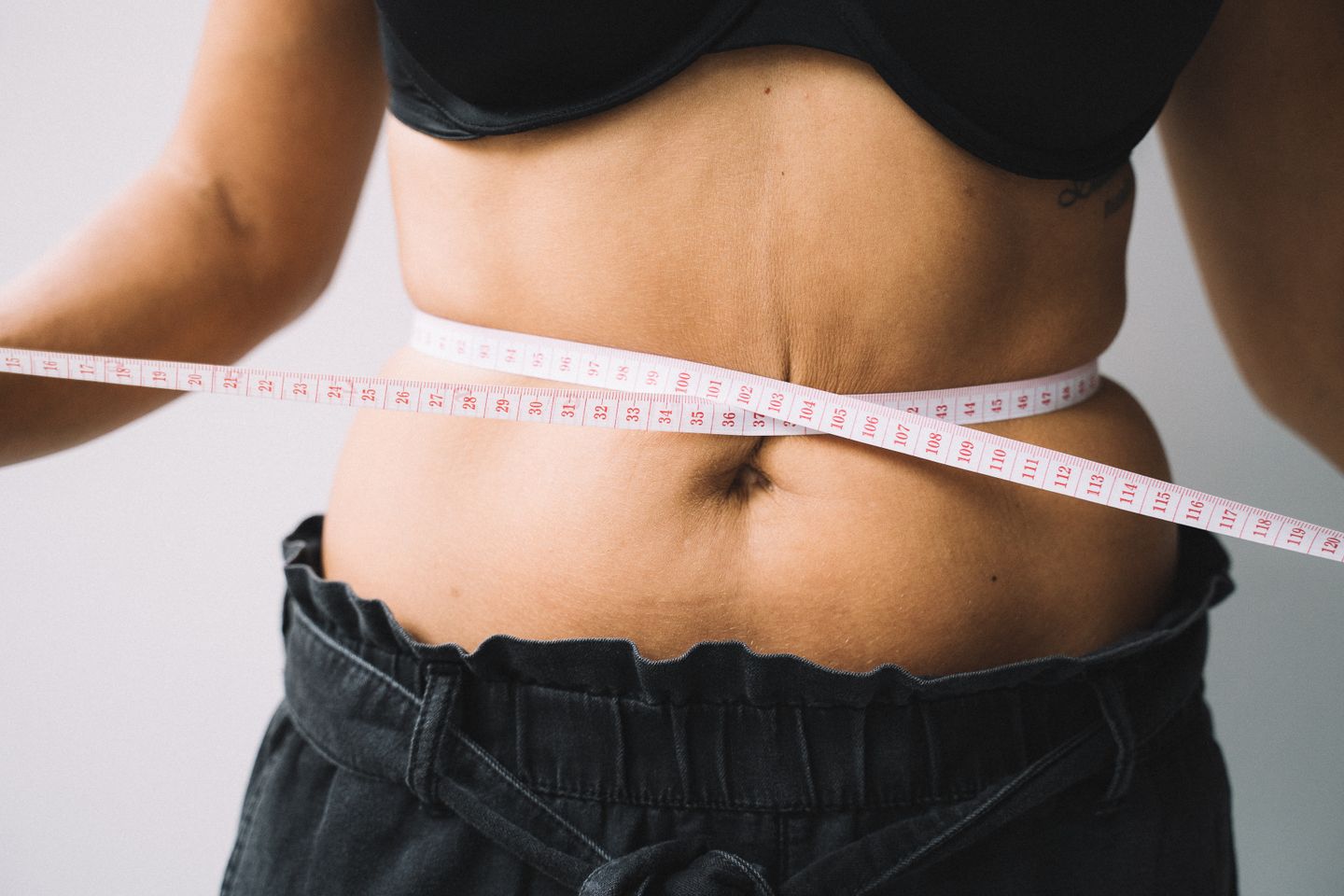
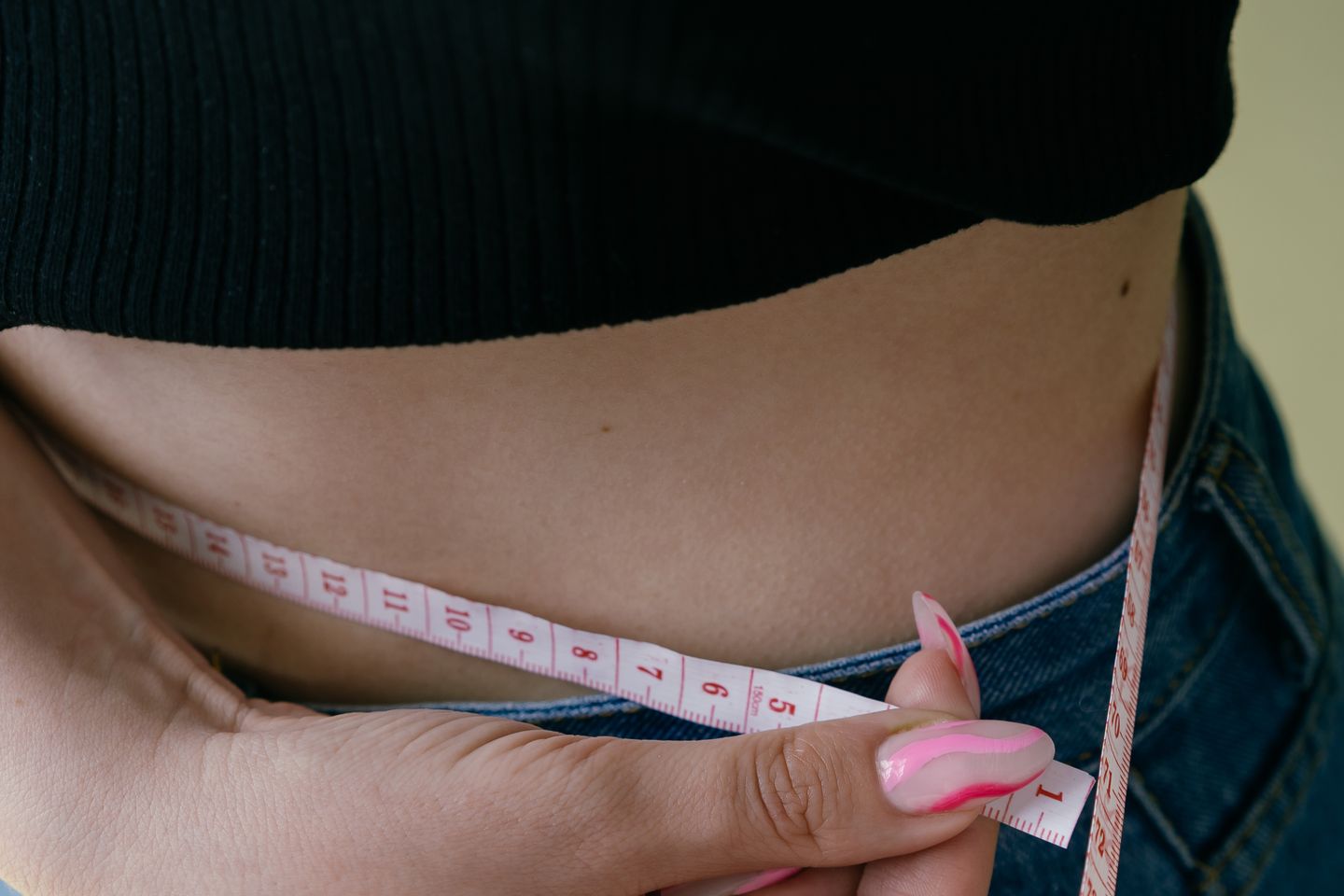
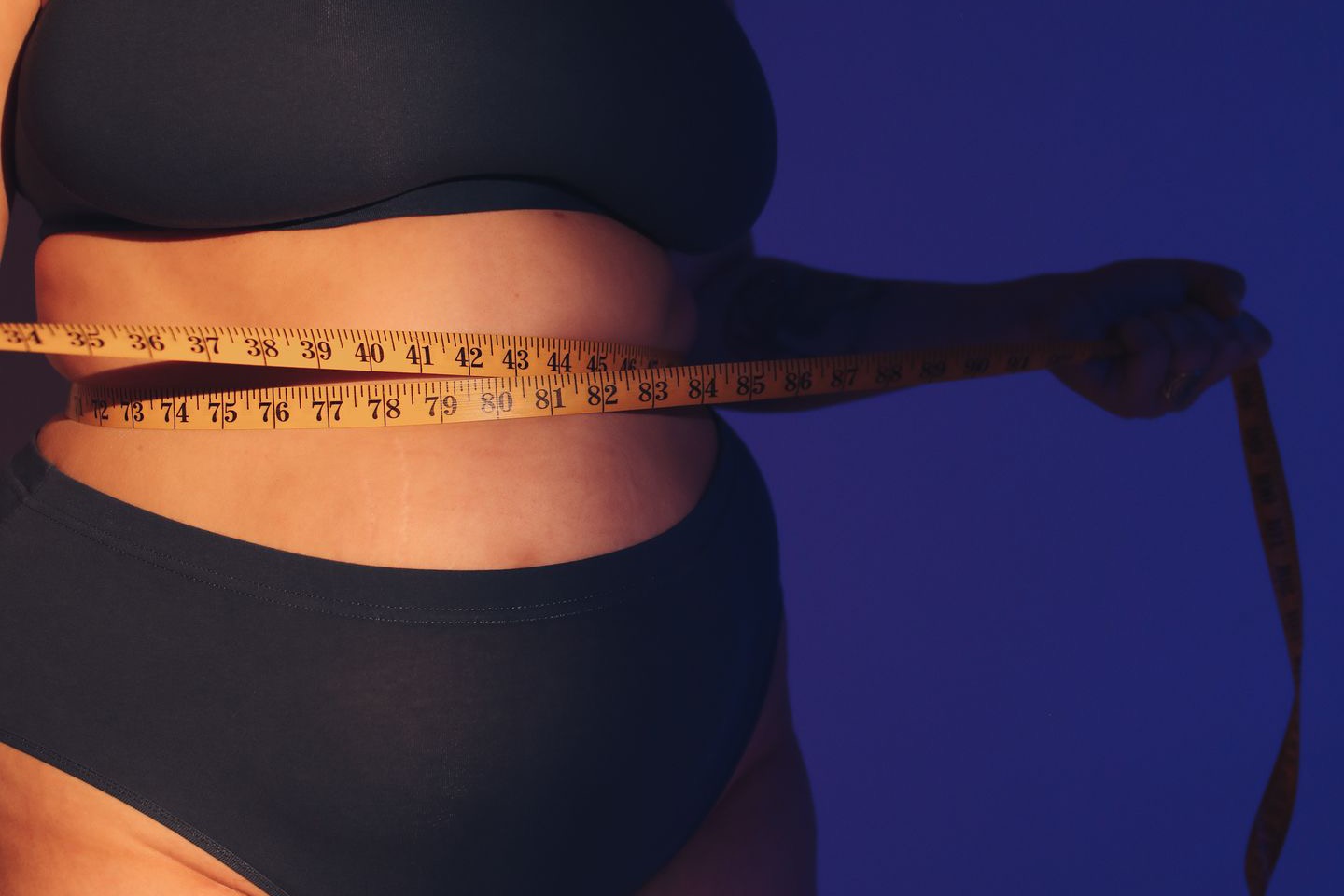
Next measure waist circumference at a named location. The BodyNumeral BRI calculator asks for the waist at the top of the hip bone, the iliac crest. The National Health and Nutrition Examination Survey (NHANES) protocol marks the uppermost side border of that bone. It then places the tape in a horizontal loop and reads it at the end of a normal breath out. The tape is snug without pressing into the skin. This is a specific procedure; it is not simply the narrowest place you can find around the torso.
A home measurement cannot reproduce every check used by trained survey staff. You can still make the input more repeatable: note the site, keep the tape level around the back, check that clothing is not trapped under it, and write down the raw number before opening the calculator. If two immediate readings differ, reset the tape and check placement and tension. Do not select the reading that gives a preferred result. Record which reading you entered and how it was taken.
Work through a BRI example
The BRI equation is 364.2 − 365.5 × √[1 − (waist ÷ (π × height))²]. Here π is the mathematical constant pi, about 3.14159. The square-root sign applies to the whole expression inside the brackets. Waist and height must use the same length unit. This formula is less convenient to do by hand than a simple ratio, so a checked calculator is a practical way to apply it. Showing the intermediate ratio still helps you catch a unit error.
Use this hypothetical adult example: standing height 170 cm and iliac-crest waist 85 cm. First divide 85 cm by 170 cm. The waist-to-height ratio is 0.50, with the centimetres cancelling. For BRI, divide 85 by π × 170, square that quotient, subtract it from 1, take the square root, multiply by 365.5, and subtract the product from 364.2. The unrounded result is about 3.3588. BodyNumeral displays 3.36 to two decimal places. The calculator also shows the simpler waist-to-height ratio as a separate row.
| Standing height | Waist at iliac crest | Waist ÷ height | BRI, rounded |
|---|---|---|---|
| 170 cm | 80 cm | 0.47 | 2.82 |
| 170 cm | 85 cm | 0.50 | 3.36 |
| 170 cm | 90 cm | 0.53 | 3.93 |
Read the worksheet across each row. The 80 cm, 85 cm, and 90 cm waist values are separate hypothetical inputs, not repeated measurements from one person. Keeping height at 170 cm isolates what the waist field does in this formula: larger waist inputs produce larger ratios and BRI values. The table does not say how fast anyone’s waist changed or what any row means for their health. If your tool gives a very different result for the middle row, check that both fields use centimetres and that the waist was entered as 85 rather than 8.5.
Read the result beside other body numbers
BRI and waist-to-height ratio use the same two raw measurements. At a fixed height, they will move in the same direction when waist changes. They still have different numerical scales: the hypothetical 85 cm waist and 170 cm height give a 0.50 ratio and a 3.36 BRI. Do not compare the two values as if they shared a unit or subtract one from the other. The waist-to-height guide explains the direct ratio and its measurement method. BRI adds a geometric transformation; it does not add a third measurement.
BMI answers a different arithmetic question. It needs weight and height, so two people with the same height and weight have the same BMI even if their waist measurements differ. Their BRI values can differ because the waist input differs. In the other direction, a change in recorded weight can move BMI while BRI stays the same if height and waist are unchanged. These comparisons explain why two calculators can disagree without either formula being broken. They do not prove that one result is a better personal health assessment.
The original BRI study reported slightly better group predictions of body-fat and visceral-fat measures than several traditional measures in its data. Other studies ask different questions, use different populations, or take waist measurements at different sites. That is why the original comparison should not be converted into a promise that BRI will identify an individual’s body fat. If you need to know which measurement matters for a clinical decision, a qualified health professional can consider the wider context and the method used.
Do not turn a study group into a personal category
A 2024 study calculated BRI for 32,995 U.S. adults in NHANES and linked those records with later mortality data. Its researchers divided BRI values into fifths of their study distribution to compare groups. They stated that there was no established reference range for that analysis. A fifth in one research sample is a way to organize that sample. It is not a universal BRI category that BodyNumeral can apply to every person.
An association between groups also cannot tell you what caused an outcome for one person. Age, smoking, existing illness, and many other factors can matter. A single tape reading cannot sort those factors out. BodyNumeral therefore reports the calculated index and its method without a personal risk category. The page does not assign a “safe” BRI target or claim that moving the number will change a health outcome. Treat the result as a description of the two entered measurements.
The cited development and follow-up work used adults. The calculator has no child reference. Pregnancy can change waist size for reasons that make ordinary adult body-shape comparisons unsuitable. Body changes after illness, surgery, or fluid shifts can also make a simple waist-and-height result hard to interpret. In these situations, use the number only as a record of what was entered, if you record it at all. Seek professional advice for a personal medical question rather than applying a research-group cutoff.
Use a result as a checkable record
If you want to compare results over time, preserve the raw waist and height entries, their units, the waist landmark, the date, and the calculator name. A BRI value alone cannot reveal whether a later difference came from a new waist measurement, a corrected height, a changed unit setting, or a different tape site. The same raw record lets you recalculate later if you notice a typing mistake. BodyNumeral’s measurement features can keep an entry on your device, but write down the method details that the final index cannot encode.
Compare like with like. If the first waist reading was at the iliac crest and a later one was at the narrowest torso point, label the method change and start a separate comparison. The sites may produce different circumferences even on the same day. If a new BRI result surprises you, check the tape loop and the unit labels before treating the difference as a body change. Two decimal places describe how the calculator rounds its answer; they do not mean the home waist reading is accurate to a fraction of a millimetre.
To try the worked example, open the BodyNumeral body roundness index calculator and enter 170 cm for height and 85 cm for waist. Check that it reports about 3.36 and a waist-to-height ratio of 0.50. Then use your own measurements only if you know their sites and units. The calculator shows the equation and input limits. For a question about the raw waist value or about BMI, use the linked guides for those methods. Keep the number with its inputs; that record is more useful than a bare score.
Common questions
Is BRI the same as body-fat percentage?
No. BRI is an index calculated from waist circumference and height. The calculator does not measure fat tissue or convert BRI into a body-fat percentage.
Does BRI use body weight?
No. The BRI equation on this page uses waist circumference and height. Body mass index uses weight and height, so the two numbers can change for different reasons.
Can I use inches instead of centimetres?
Yes. For the hand equation, convert height to total inches and use inches for waist. In the BodyNumeral calculator’s U.S. mode, enter height as feet and remaining inches, then enter waist in inches. The tool converts the values internally before it calculates BRI.
CHECK THE EVIDENCESources & limitations3 sources
Sources checked September 24, 2026. These notes explain methods and assumptions. They have not received an independent clinical review.
- Thomas and colleagues introduced BRI as a geometric body-shape index and compared its population predictions with body-fat and visceral-fat measurements.onlinelibrary.wiley.com
- A 2024 NHANES cohort paper prints the BRI equation, uses measured adult waist and height, and groups study results by sample quantiles because no standard reference range was available.pmc.ncbi.nlm.nih.gov
- The NHANES anthropometry manual describes standing height and an iliac-crest waist measurement taken with a level, snug tape after normal expiration.wwwn.cdc.gov