Start with what each number uses
| Number | Calculation or method | What it describes |
|---|---|---|
| BMI | Weight divided by height squared | Weight relative to height |
| Body fat percentage | A stated measurement or prediction method | The estimated share of body weight that is fat |
BMI does not separate fat, muscle, bone, or water. A body fat percentage tries to describe the fat component, but the result depends on the method. A tape equation, a bioimpedance device, a scan, and a BMI-based equation can give different estimates from the same person.
Why the numbers can tell different stories
Two people can have the same BMI and different body-fat estimates. BMI uses only weight and height. A body-fat method can use other inputs, such as age, a sex category, waist and neck measurements, electrical impedance, or a scan result.
The CUN-BAE equation in BodyNumeral’s BMI-based option uses BMI, age, and the selected sex category to predict body fat percentage. The published study developed and tested the equation in White adults aged 18 to 80. Its output is a population-based estimate, not a direct measurement of a person’s fat tissue.
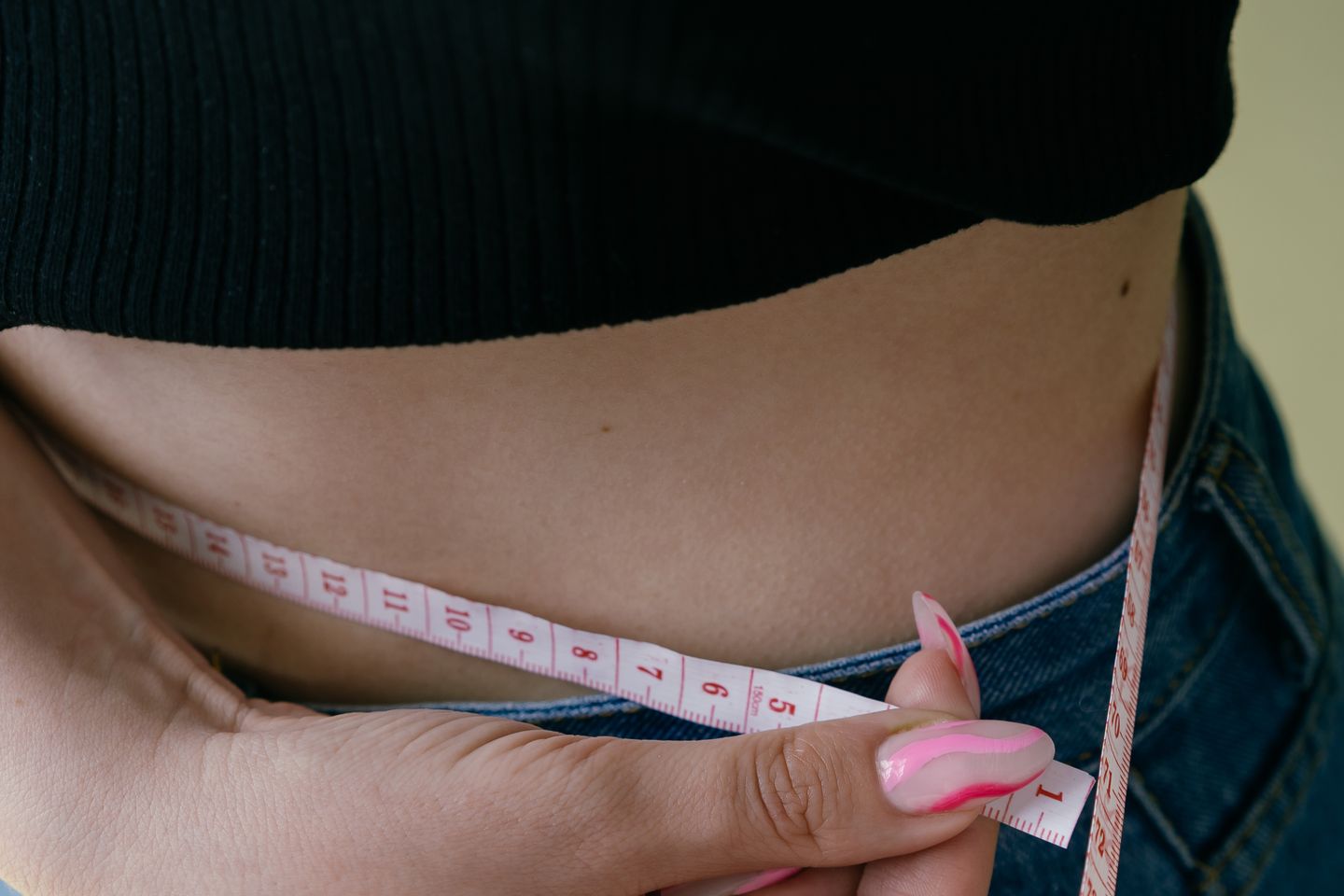
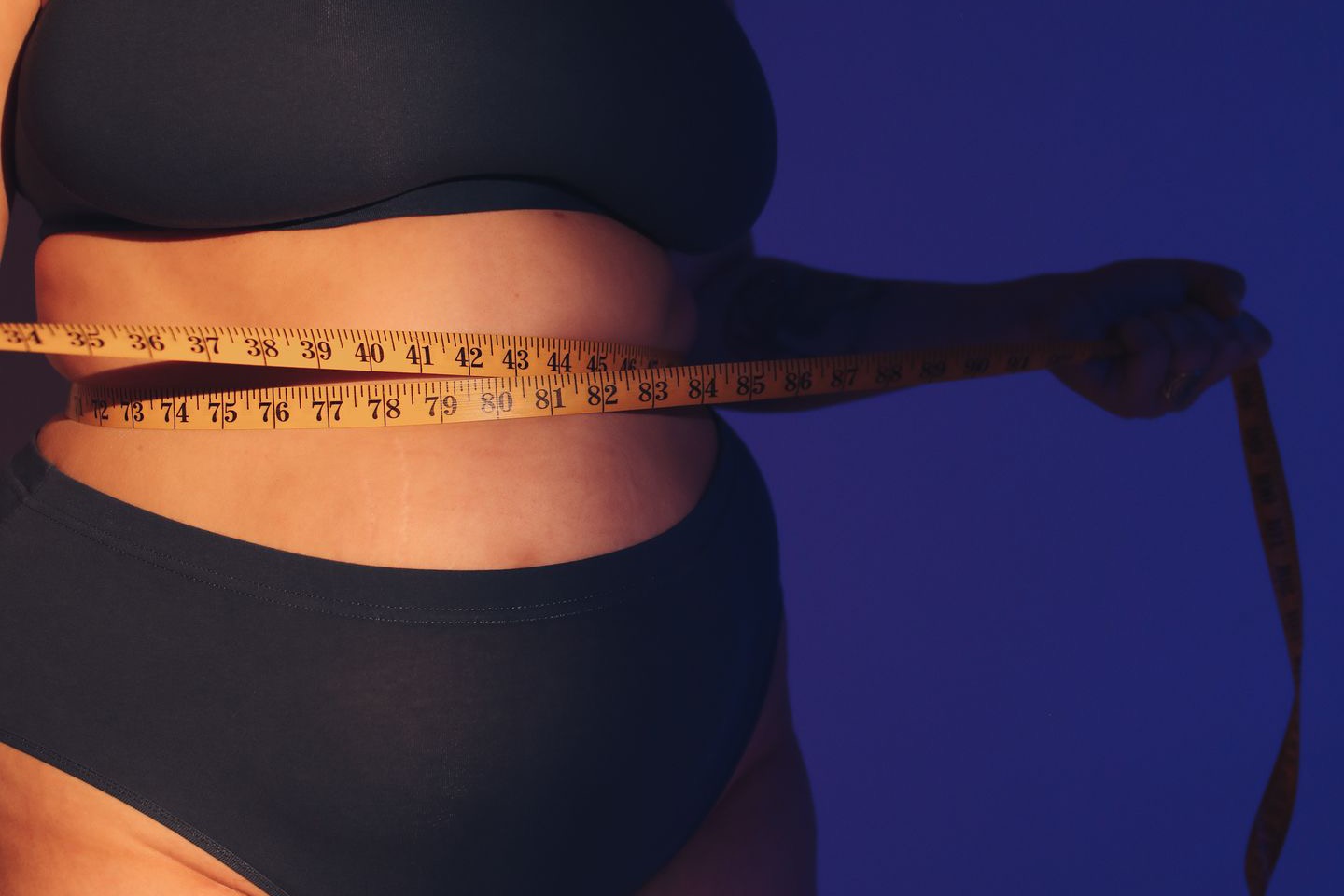
A tape method can also change when the measurement site, tape tension, posture, or equation changes. Save the method name with each result. If the method changes, keep the new result in a separate comparison series.
Use the right comparison
- Use BMI when you need the weight-to-height calculation and its stated screening context.
- Use body fat percentage when you need an estimate of the fat share of body weight from one named method.
- Use fat mass when you need that percentage converted to kilograms or pounds.
- Compare later results only when the method, inputs, units, and measurement conditions are sufficiently similar.
For example, an 80 kg result with an estimated body fat percentage of 20% gives an estimated fat mass of 16 kg. BMI does not supply that calculation. A different body-fat method can produce a different percentage and a different fat-mass estimate even when body weight stays at 80 kg.
BodyNumeral’s body-fat calculator shows the selected method beside its result. Its waist-to-height tool answers another question: waist circumference relative to height. Keep each method label with the number instead of converting one result into another.
Keep the limits visible
A body-fat percentage can look more specific than BMI because it has a percent sign and often a decimal. That formatting does not remove measurement or prediction error. Do not treat a calculator result as a diagnosis, a personal target, or a clinical assessment.
Use a qualified professional when a weight or body-composition result affects medical care, a personal nutrition plan, or a decision about possible illness.
Common questions
Is BMI the same as body fat percentage?
No. BMI compares weight with height. Body fat percentage estimates the share of body weight that is fat from a stated method. BMI does not directly measure body fat.
Why can two people with the same BMI have different body fat estimates?
BMI uses weight and height only. A body-fat estimate can also use age, a selected sex category, body measurements, electrical impedance, or a scan method. The method and its inputs affect the estimate.
Can I use a BMI result to calculate fat mass?
BMI alone does not calculate fat mass. You need a stated body-fat percentage first. Fat mass equals body weight multiplied by the percentage expressed as a decimal.
CHECK THE EVIDENCESources & limitations3 sources
Sources checked September 21, 2026. These notes explain methods and assumptions. They have not received an independent clinical review.
- The Centers for Disease Control and Prevention defines BMI as weight relative to height and says it does not directly measure body fat or distinguish fat, muscle, and bone mass.cdc.gov
- Gómez-Ambrosi and colleagues developed and evaluated the CUN-BAE equation from BMI, age, and sex in White adults aged 18 to 80, with air-displacement plethysmography used as the reference method.pubmed.ncbi.nlm.nih.gov
- The National Health and Nutrition Examination Survey manual gives standardized procedures for body measurements, including waist circumference, used in population data collection.wwwn.cdc.gov